Productive capacity
Aircraft, cultivated land and industrial infrastructure create the capacity to deliver essential services.

ALFA WHITEPAPER / DEVELOPMENT EDITION · SEPTEMBER 2026
An in-depth view of the industries, projects and digital framework behind ALFA by Al Furqan.
Explore the story ↓CHAPTER 01
ALFA is being developed as the utility token of the Al Furqan Global RWA Ecosystem: an ambition to connect aviation, agriculture, healthcare and green infrastructure through a coherent digital platform.
These industries have a common requirement: productive assets need capital, experienced operators, dependable infrastructure and access to markets. The ecosystem brings those relationships into a single project narrative while allowing each underlying opportunity to retain its own legal, operating and financing structure.
Aviation is the anchor. The materials describe training-aircraft leasing, helicopter opportunities, an established aviation partnership and a potential acquisition of a longstanding training institution. Agricultural proposals extend the landscape into lucerne, bamboo, renewable feedstock and food processing. Healthcare and energy connect to the same operating needs.
The proposed ALFA token is intended to support ecosystem utility. It is not, by itself, a deed to an aircraft, a claim on farmland, a share in a project company or a promise of income. Any future asset-linked participation would require clearly documented rights and a separate, appropriate structure.
THE OPERATING THESIS
Aircraft, cultivated land and industrial infrastructure create the capacity to deliver essential services.
Operators, engineers and commercial counterparties turn that capacity into a functioning business.
The digital programme aims to make eligible ecosystem services easier to access and use.
CHAPTER 02
Al Furqan’s group profile reports more than US$3 billion in executed transactions across more than three decades, a presence through activity in 35+ countries and relationships with 100+ clients.
The Furqan–Vman profile describes an aviation partnership covering consultancy, airports, leasing and financing. Vman’s materials describe an IFSC aviation platform established in 2021, an owned-and-managed portfolio of 18 aviation assets and a team with more than 100 years of combined experience.
The Kenya School of Flying company profile provides a different form of evidence: an institution established in 1992, with 2,000+ licensed pilots trained and 22+ aircraft reported in its 2026 materials. The school appears in an acquisition proposal. The acquisition remains a proposed transaction.
The delivery programme connects this experience with project-specific diligence, documented agreements and measurable operating milestones.
THREE POINTS IN THE DEVELOPMENT STORY
Kenya School of Flying’s history starts in 1992. Its 2026 profile reports more than 2,000 licensed pilots trained. The school is the subject of a proposed acquisition.
Vman’s IFSC platform was established in 2021. Its materials report 18 owned and managed aviation assets, alongside a team with more than a century of combined experience.
Stellar Mundi’s study records completed sponsor diligence, technical validation and stakeholder engagement. Lender appraisal and financial close are the next financing steps.
CHAPTER 03
The proposed framework separates physical operations from digital utility. Land, aircraft, facilities and operating contracts sit within their applicable corporate and legal arrangements. ALFA’s digital services would connect eligible participants to ecosystem experiences under published product terms.
THE PRODUCTIVE FOUNDATION
Aircraft. Land. Infrastructure.Physical assets sit within their project-specific ownership, financing and operating arrangements.
DELIVERY & ACCOUNTABILITY
People turn assets into services.Project companies, operators and partners are responsible for delivery, maintenance, service standards and reporting.
THE PROPOSED DIGITAL CONNECTION
One connected experience.Digital utility would connect eligible users with ecosystem services under final product terms.
The operating layer is central to the proposed architecture. Aircraft maintenance, clinical governance, crop production, energy offtake and project management remain the responsibility of the relevant delivery organisations.
For every initiative, the next level of disclosure should identify the sponsor, legal entity, location, development stage, ownership or contractual rights, funding scope and operating responsibility. Those records should be updated as agreements are executed and assets become operational.
A project enters the ecosystem through its own commercial case. The sponsor needs a defined asset or development right, a workable operating plan and a financing structure suited to the underlying business. The digital layer follows those arrangements; it does not replace them.
PROJECT DEVELOPMENT FRAMEWORK
Identify the sponsor, asset, location and contractual rights.
Define ownership, funding, counterparties and responsibilities.
Acquire or build, commission, operate and maintain.
Introduce eligible services under published product terms.
For an institution reviewing the programme, the relevant evidence is project-specific: title or lease documentation, technical studies, executed agreements, funding conditions and operating reports. A common brand gives the ecosystem a shared identity while these records define the substance of each opportunity.
CHAPTER 04
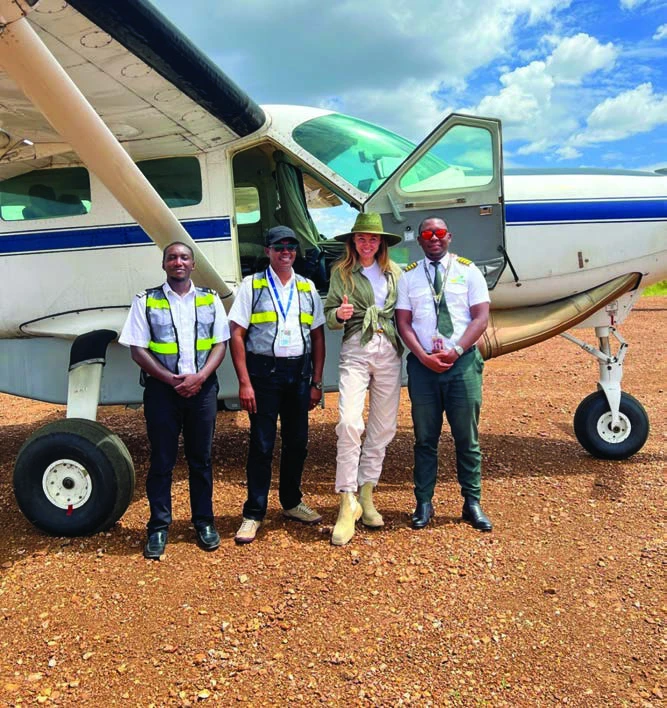
PEOPLE. AIRCRAFT. CONTINUITY.
The aviation programme brings together a proposed training fleet, specialist leasing expertise and the institutional experience of established operators.
Explore the aviation platformThe aviation thesis combines aircraft availability with operating expertise and training capacity. The proposed 105-aircraft training platform describes an indicative US$53 million programme under a seven-year framework. The objective is a structured leasing platform serving the demand for pilot-training assets.
Separate H145 and H160 presentations describe helicopter opportunities. Aircraft-specific records, valuations, title, lessee obligations, maintenance condition and insurance need to be assessed at the transaction level. Financial projections in a lease proposal are not realised ALFA revenue and do not establish token-holder income.
The training-institution acquisition proposal adds a potential operating platform. Kenya School of Flying’s four named training locations and reported pilot-training history illustrate existing institutional depth. Related charter and maintenance activity offer further context, but the acquisition should be treated as proposed until closing is confirmed.
Delivery priorities are asset and counterparty diligence, transaction structure, financing, continuing airworthiness and staged deployment. Electric aviation remains a longer-term theme that depends on aircraft availability, infrastructure and operating suitability.
The aircraft programme is intended to serve training organisations through a structured leasing framework. Availability is only one part of that model: aircraft suitability, maintenance planning, instructor capacity and student demand all affect utilisation. A phased deployment would allow the operating requirements of each training location to be considered before additional aircraft are committed.
Review title, technical records, valuation, maintenance status and insurance. Match the aircraft type and configuration to the proposed training or service mission.
Assess the counterparty, approvals, staffing, facilities and financial capacity. Agree responsibilities for availability, maintenance, lease payments and reporting.
These workstreams would inform transaction approval and deployment. The 105-aircraft proposal is a development framework, not a record of aircraft delivered to ALFA.
CHAPTER 05
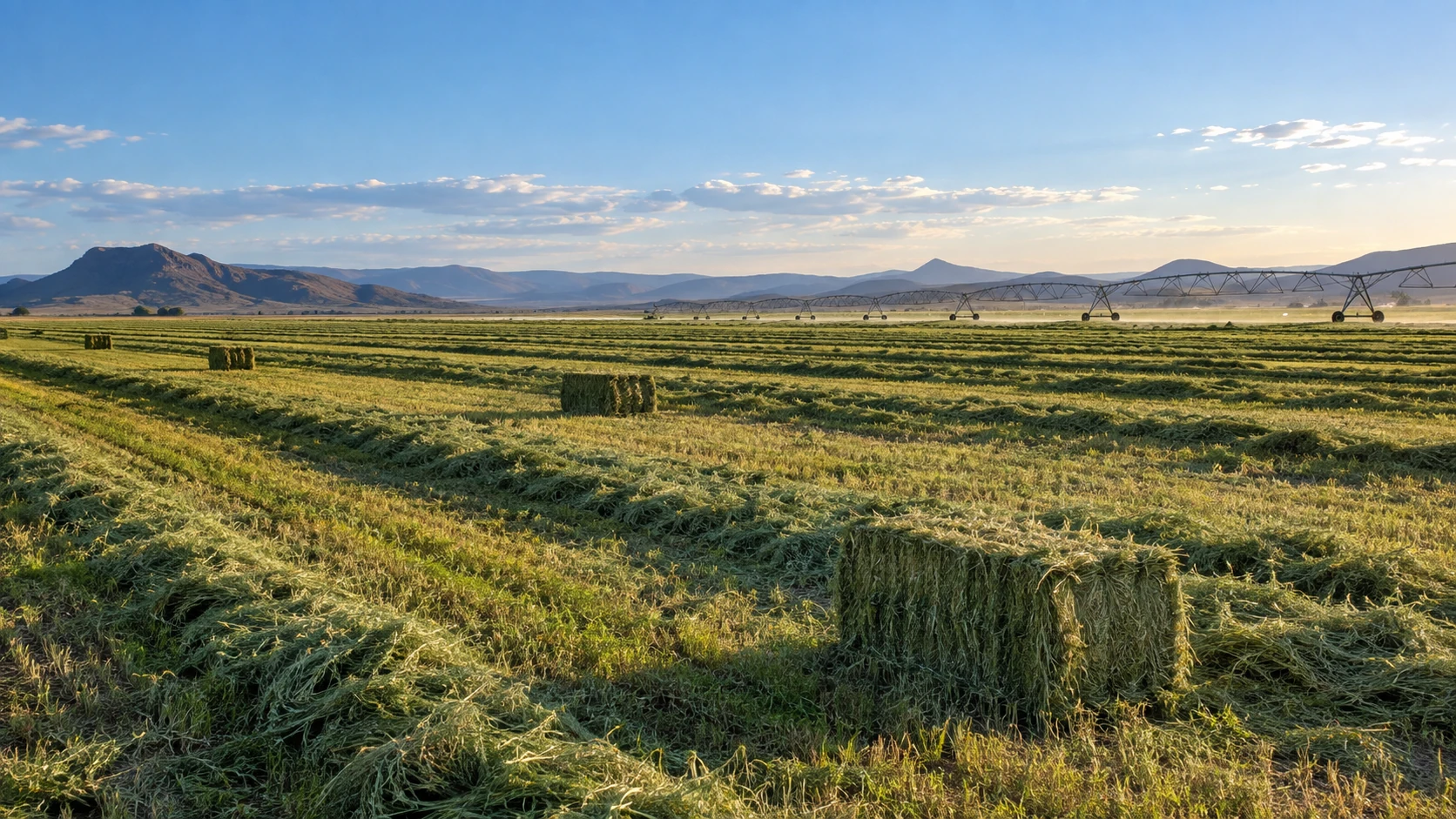
Four proposals, with distinct crops, processing models and development stages.
The agricultural programme spans irrigated lucerne, bamboo, renewable feedstock and food processing. Each project has its own sponsor, land basis, commercial model and financing case. The figures in this chapter describe the source materials and project designs; they are not a combined statement of ALFA land ownership.
Stellar Mundi (Private) Limited’s study describes a 4,250-hectare holding in Zimbabwe, with a 2,200-hectare irrigated lucerne design. Forty-five centre pivots and the Manyuchi Dam water context form part of the agricultural infrastructure plan.
The final draft records sponsor diligence, technical validation, stakeholder engagement and institutional consultations. The next financing milestone is lender appraisal ahead of financial close. Completion of feasibility work does not mean cultivation or construction is fully funded.
The design links water, cultivation, harvesting and processing to market access. Irrigation reliability, crop performance, storage and logistics need to work as one system. The study identifies a US$32.5 million-plus platform budget; differing scopes in its funding tables require reconciliation before a final investment case is presented.
The Kenya proposal describes 5,000 hectares of bamboo established over three years. Its downstream ambition includes pellets and biochar, linking plantation development to processing capacity and customer demand.
The annual additions are 1,000, 1,500 and 2,500 hectares respectively. Establishment area is different from mature productive area; planting progress alone does not establish commercial yield.
The next level of preparation needs to align planting material, agronomy, harvest timing, processing equipment and offtake. Indicative capital expenditure is US$50 million in the proposal. Yields, processing volumes and economic outcomes remain model assumptions, with carbon-related activity dependent on an applicable methodology and verification.
The 5,000-hectare concept connects Napier cultivation to compressed biomethane. It treats agricultural production as the feedstock base for a separate industrial process, with both sides requiring technical validation.
The agricultural workstream needs evidence on crop performance, water availability, harvest cycles, handling and delivered feedstock cost. The energy workstream needs methane testing, technology selection, gas specification and offtake. These assumptions must be reconciled before the concept can support a plant design or financing decision.
A pilot is the proposed bridge between feasibility and scale. The material describes a development sequence, not a commissioned gas plant. The energy chapter sets out the process and the dependencies at each stage.
Continue to the energy chapterThe Benin project summary describes an existing importing and distribution business as the foundation for a proposed Cotonou wheat-mill and pasta complex. The plan would add local manufacturing to that commercial base.
The proposal addressed to Sarveshwar Foods identifies potential investor participation, HP Handling Italy as an engineering reference, and promoter-reported banking relationships with Ecobank and NSIA. These roles should be confirmed through project agreements before being represented as executed ALFA partnerships or approved financing.
Equipment selection, utility requirements, installation, commissioning and working-capital planning would need to be brought into one implementation budget. The pasta capacity is an hourly design figure; actual daily output would depend on operating hours, uptime and the final production plan.
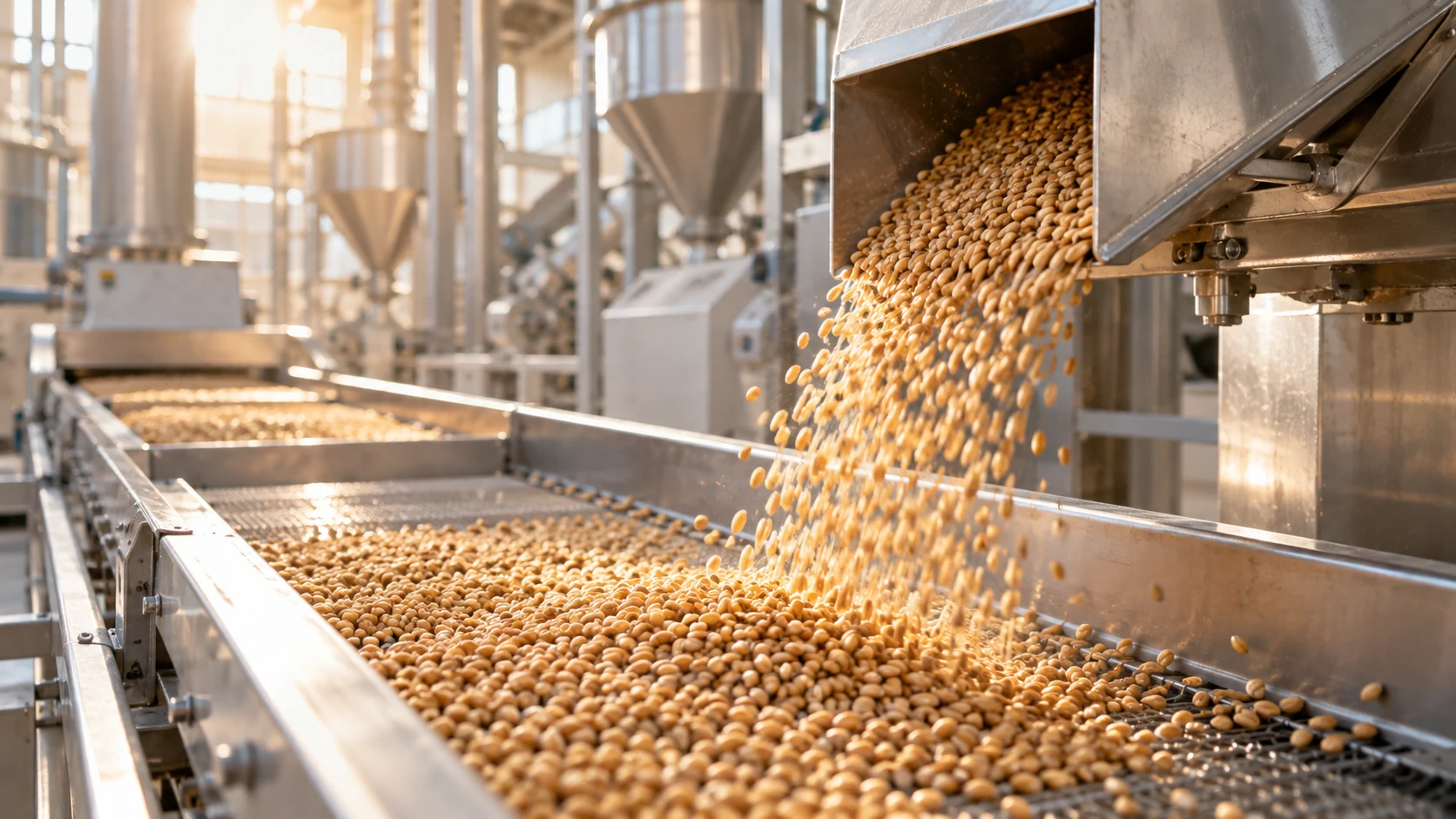
A proposed manufacturing platform built around wheat milling and pasta.
DZF / INDICATIVE PROJECT FUNDING
€12.94MCapital expenditure and working capital, excluding the proposed land contribution.
A manufacturing project needs both physical capacity and the liquidity to operate it. The capital budget covers the proposed investment in the production platform; working capital supports the operating cycle. Neither figure is a statement of funds raised by ALFA.
Explore the agricultural programmeCHAPTER 06

Healthcare extends the aviation connection into medical evacuation, specialist transport, training and infrastructure. Relevant group experience includes healthcare acquisition financing in Dubai and a reported dozen handed-over projects across pharmaceutical, biotechnology and other industrial sectors. The latter figure is not a count of hospitals or clinical facilities.
A healthcare operating model requires more than access to an aircraft. It needs qualified clinical providers, appropriate equipment, licensed operators, dispatch and referral arrangements, patient handover protocols and accountable clinical governance. These are the delivery requirements for the proposed healthcare chapter.
No ALFA patient volumes, completed medical missions, hospital ownership or launched clinical service have been established in the project documents. The roadmap is therefore partner selection, needs assessment, service design and phased operational readiness.
A PROPOSED MEDICAL-AVIATION SERVICE MODEL
Referral, clinical assessment and a suitable receiving facility.
Aircraft, equipment and an appropriately qualified care team.
Licensed flight operations with a defined clinical service.
Continuity of care and the transfer of relevant records.
The clinical provider, air operator and receiving facility would each have a distinct responsibility. Their agreements would need to establish availability, service scope, escalation, handover and reporting. Training and simulation support readiness across these interfaces; they are part of the service design, alongside the aircraft itself.
A project-specific plan would identify the service area, expected mission profile, participating providers, suitable aircraft and equipment, staffing model and commercial arrangements. The current programme defines these priorities without claiming an operating ALFA medical network.
CHAPTER 07
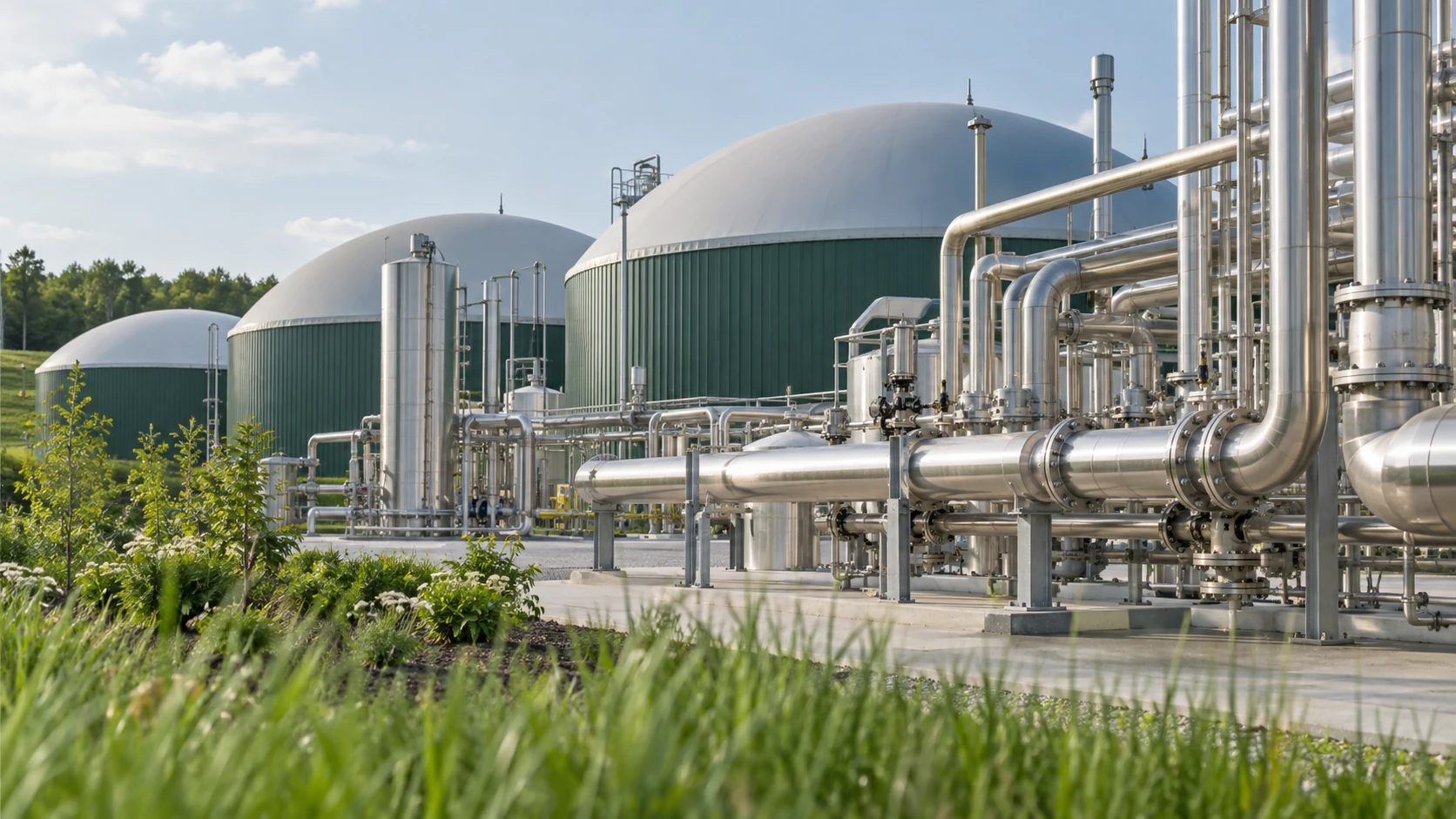
The strongest near-term energy narratives connect to the agricultural proposals. Tana River defines a crop-to-gas process, Hola considers bamboo-derived products, and Mwenezi includes solar generation within its agricultural infrastructure design.
The proposed CBG pathway is cultivation, harvesting and preparation, anaerobic digestion, biogas cleaning and upgrading, then compression and distribution. Each step carries a different technical assumption. Feedstock supply, methane yield, plant utilisation, gas specification and customer offtake must be validated together.
Digestate, biomass products and carbon-related opportunities may create additional uses or revenue streams. They should be assessed separately; potential carbon income depends on applicable methodologies, monitoring and independent verification. No issued credits or verified emissions savings are represented as ALFA achievements.
Floating solar and electric aviation remain strategic themes. Their project locations, capacities, technology choices and delivery dates are not yet defined in the project brief.
TANA RIVER / PROPOSED CBG PATHWAY
Cultivate, harvest and prepare Napier for the plant.
Use anaerobic digestion to produce raw biogas and digestate.
Clean and upgrade biogas to the required gas specification.
Compress and supply the product under suitable offtake arrangements.
Plant performance begins with consistent feedstock. Crop yields, seasonality, storage and transport affect what reaches the digester and at what cost.
Gas quality, delivery format and customer requirements influence technology and distribution choices. A credible offtake plan is part of feasibility.
Solar generation could complement agricultural and industrial operations where the load profile and local infrastructure support it. The broader energy strategy includes solar, floating solar, biomass and electric aviation, with each initiative requiring its own project case and measurable operating objectives.
Explore the energy pathwayCHAPTER 08
ALFA Debit is intended as an ALFA-funded card experience using the Visa network. The proposed journey is to fund an eligible account with ALFA, convert value into a supported card balance and spend at eligible merchants under the final programme terms.
The working concept does not mean merchants accept ALFA directly. Conversion, custody, settlement, supported currencies, fees and cardholder protections would be defined by the programme’s issuer and service providers.
Issuer arrangements, programme approval, supported jurisdictions, identity checks, conversion providers, limits and launch timing remain to be confirmed. Visa is described as the intended network; a direct ALFA–Visa partnership or live card programme is not claimed.
A functioning card experience depends on an issuer, conversion and settlement providers, customer onboarding and ongoing support. The final product specification would identify which organisations provide these services, how balances are held, how conversion is priced and where the card is available.
Before launch, the programme needs clear funding instructions, eligible markets, supported currencies, fees, limits and customer-support arrangements. Transaction history and explanations of conversion are part of the intended account experience. The physical card design is one expression of the product; service readiness determines when that product can be offered.
CHAPTER 09
The project brief specifies a proposed total supply of one billion ALFA on BNB Smart Chain. BSC is the intended chain; the final contract address, deployed supply, token permissions and independent audit evidence remain to be published.
Potential utility includes access to eligible ecosystem services, programme participation and a proposed funding route for ALFA Debit. Each use case needs a defined service, eligibility criteria, settlement mechanism and published terms before it can be described as live.
| Design item | Current position |
|---|---|
| Token name | ALFA |
| Proposed supply | 1,000,000,000 ALFA |
| Planned chain | BNB Smart Chain (BSC) |
| Contract address | Not yet published |
| Vesting & launch terms | To be finalised |
| Independent audit | No completed audit report supplied |
| Asset ownership or redemption | No automatic rights established by holding ALFA |
A release specification should explain minting or supply controls, administrative permissions, upgradeability where applicable, treasury controls and the response to security incidents. These details should be published alongside verified contract information and independent technical review.
The final economic design should also identify how utility is used, what any fees pay for and how treasury decisions are governed. Those mechanics remain design work; no token price, appreciation target or guaranteed reward is stated here.
Access, participation and funding are different product functions. Access requires a service that accepts the token under stated rules. Participation requires a defined programme and eligibility. Card funding requires a conversion route and an approved card programme. Each function should be introduced when its operating arrangements are ready.
Publish the verified contract, supply controls, administrative permissions and independent review. Describe any upgrade mechanism and the responsibilities attached to it.
Publish the final allocation, release schedule, treasury arrangements and programme terms. Identify how supply enters circulation and how any changes are approved.
The proposed one-billion supply establishes the current design scale. It does not establish a market valuation, sale price or circulating supply.
CHAPTER 10
The indicative allocation adapts the predecessor aviation-token model to ALFA’s wider ecosystem. It totals 100% of the proposed one-billion supply. Final allocations, vesting and release terms remain in development.
SELECTED ALLOCATION
Distribution to eligible participants under final offering terms.
Before launch, the project should publish the final percentages, recipient categories, vesting schedules, lock-ups, release controls and treasury arrangements. An allocation to rewards does not itself create an entitlement, annual yield or guaranteed distribution.
How the proposed supply is divided between intended uses. The chart describes a distribution framework, not tokens already issued to each group.
How many tokens are available at a particular time. This depends on the final launch, release and vesting terms, which remain to be defined.
Vesting should be considered alongside allocation. A long-term purpose does not, on its own, define a lock-up or release schedule. The final documentation needs to establish timing, conditions and treasury authority before the allocation can be treated as an executable token-release plan.
CHAPTER 11
The ecosystem roadmap is milestone-led. It avoids fixed dates where the necessary transactions, approvals and technical readiness have not been established. Each sector has its own delivery sequence, while the digital platform requires a coordinated release process.
| Stage | Intended outcome | Evidence of readiness |
|---|---|---|
| 01 / Foundation | Corporate and project architecture; asset and sponsor diligence; token specification | Documented structures, reviewed diligence, approved technical requirements |
| 02 / Launch readiness | Initial services, partner onboarding and token release preparation | Executed agreements, tested services, published terms and technical review |
| 03 / Expansion | Develop aviation, agriculture and healthcare opportunities | Project-specific close, commissioning and operating reports |
| 04 / Integration | Connect eligible services and progress ALFA Debit | Working integrations, issuer arrangements and supported-market terms |
| 05 / Scale | Broader institutional relationships and energy deployment | Measured operating performance and documented expansion decisions |
Project companies should remain accountable for their own operations, financing and reporting. The digital platform needs a clearly identified decision-making structure for treasury, technical controls, partner onboarding and product changes. The final governance model has not been specified in the project briefs.
A useful reporting system distinguishes completed milestones, current operations, contracted future delivery and proposals under evaluation. Project forecasts should include their assumptions and should never be presented as historical revenue or token-holder returns.
The partner directory separates the documented Furqan–Vman relationship, organisations referenced in project materials, and proposed counterparties. New logos and descriptions should be added when their role and permission for use are confirmed.
A COMMON STANDARD FOR PROGRESS
Confirm the parties, rights, funding conditions and delivery responsibilities.
Complete technical preparation, testing and operational arrangements.
Report commissioning, service availability and project-specific operating results.
Milestones should be published when supported by the relevant evidence. An executed commercial agreement, a completed feasibility study and a commissioned asset represent different forms of progress. Reporting them separately makes the programme easier to assess as it develops.
CHAPTER 12
This development edition brings together the ecosystem brief, organisational profiles and project studies. It explains the programme; it is not a token sale contract, asset-title opinion, audit report or promise of financial performance.
| Evidence category | How it is presented |
|---|---|
| Organisational history | Attributed to the named company and source; not automatically an ALFA achievement |
| Existing sponsor operations | Identified separately from proposed acquisitions or manufacturing expansion |
| Project design | Planned acreage, capacity, budget and process assumptions |
| Project diligence | Specific completed work described by the feasibility materials |
| ALFA digital products | In development until deployment, terms and technical evidence are published |
Aircraft and infrastructure projects face asset-condition, operator, counterparty, maintenance, construction and financing uncertainties. Agricultural and energy projects also depend on land and water access, crop performance, technology, logistics and offtake. A detailed proposal does not remove these dependencies.
A token can face technical vulnerabilities, administrative-control risks, custody failures, limited liquidity and market volatility. These risks are separate from the performance of any underlying business. Ecosystem association does not create a guaranteed floor price or redemption right.
Specific services, transactions and card programmes require appropriate legal and operational arrangements in each relevant market. The final terms must define eligibility and availability. References to sectors, institutions and intended technology providers are not claims that every approval or relationship is in place.
Material open items include final token economics and vesting, the deployed contract and audit, ownership and funding confirmation for individual transactions, approved partner disclosures, ALFA Debit issuer arrangements and customer-service arrangements.
CHAPTER 13
The website draws from the following project documents. They contain a mixture of company histories, feasibility work and proposed transactions. Each document is identified by its role in the development programme.
Reported financial and operating figures have not been presented as independently audited ALFA results. Underlying source documents can be reviewed through the project team when the appropriate disclosure arrangements are available.
Read further project contextKEEP EXPLORING
INVESTOR ENQUIRIES
For project materials, institutional discussions and due-diligence enquiries.